














Covestro’s mechanical recycling polycarbonate compounding line in China starts operation

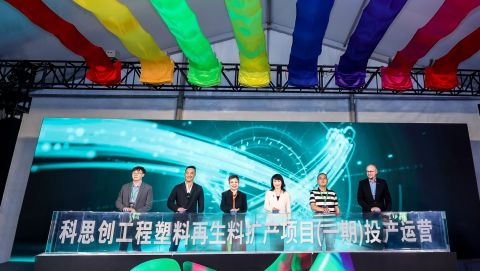
Covestro has commenced operations at its first dedicated mechanical recycling (MCR) compounding line for polycarbonates (PC) at its integrated site in Shanghai, China.
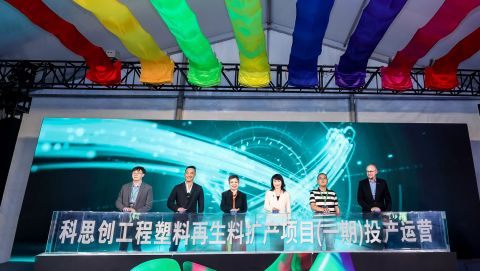
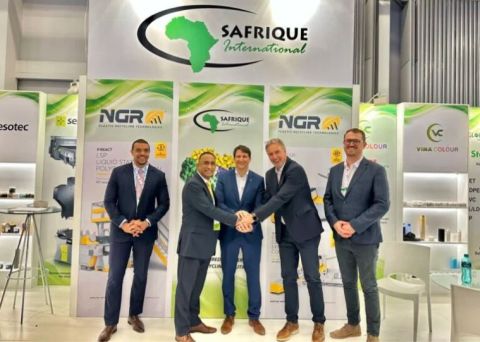
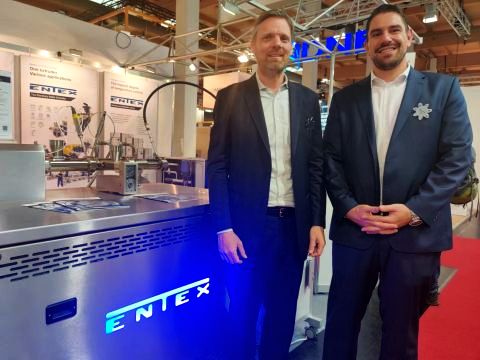
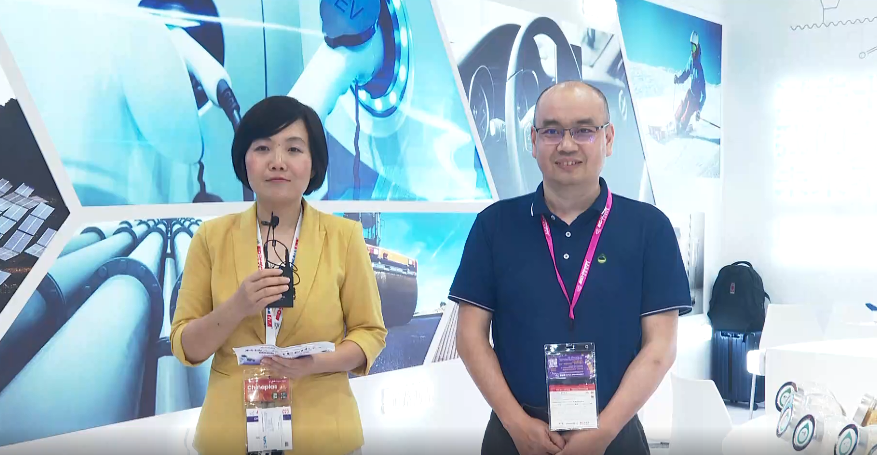
At a customer event, Sucheta Govil, Chief Commerical Officer (3rd from left) and management team from Covestro, celebrated the startup of the new MCR plant.
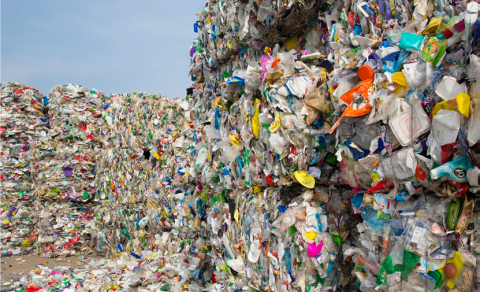
This line is set to produce over 25,000 tons of premium-quality PC and blends containing mechanically recycled materials annually, in response to the growing demand for post-consumer recycled (PCR) plastics, particularly in applications for E&E products, automotive and consumer goods.
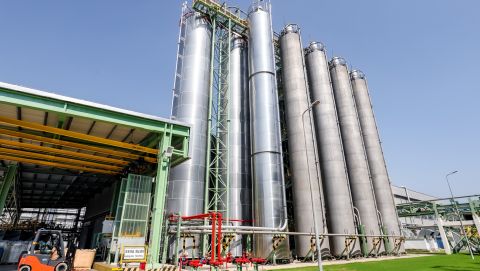
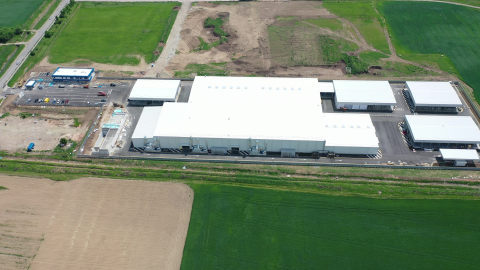
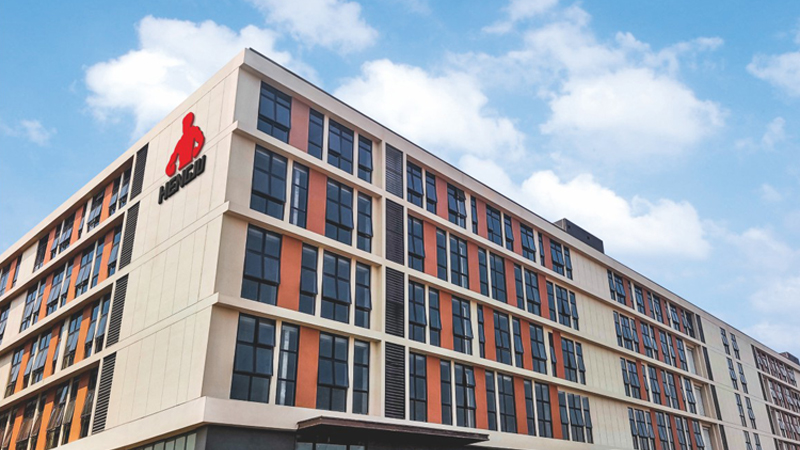
New production facility for compounding mechanically recycled PC in Shanghai.
“The launch of our MCR production line marks another significant stride in our journey towards achieving a circular economy and operational climate neutrality by 2035,” said Sucheta Govil, Chief Commercial Officer.
Broad range of PCR portfolio
Earlier this year, Covestro unveiled a PC boasting 90% recycled content – a grade that attains outstanding whiteness, highly saturated colors and a 70% reduction in carbon footprint.
Furthermore, the company is actively engaged in pioneering the chemical recycling of PC. Having successfully developed an innovative process within the laboratory, the company is now embarking on the technical implementation of this breakthrough at a pilot scale.
Expansion of PC production capacity in Asia Pacific
Covestro is committed to supplying over 60,000 tons of recycled-content PC annually in the Asia Pacific region by 2026. Recently, the company also transformed an existing compounding line at its Map Ta Phut site in Thailand for mechanically recycled PC.
After debottlenecking multiple production lines at the Map Ta Phut site in Thailand, Covestro is approaching the final stages of program to enhance PC production capacity and capabilities across the Asia-Pacific region.
The program also includes the addition of new production lines at sites in Shanghai and Guangzhou, China, as well as Greater Noida, India, in recent times. The combined additional capacity now exceeds 100,000 metric tons annually.
These strategic projects aimed at optimizing the regional production network, have been supported by using digital tools, which also reduced investment costs.