



















Materialise and GKN Aerospace to propel 3D-printed parts for aviation

GKN Aerospace, a leading aerospace technology leader, and Materialise, a global pioneer in 3D printing solutions and services, have announced the signing of a Letter of Intent (LOI) aimed at advancing the research, design, and production of polymer additively manufactured (AM) parts for the aviation industry.
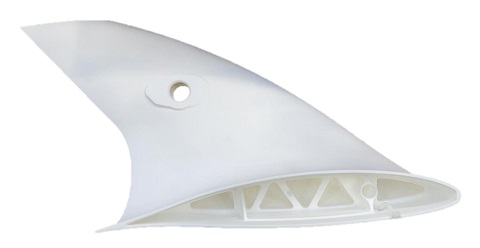
The LOI was signed at the Paris Air Show and represents an extension of their successful collaboration. Materialise has been a supplier of polymer AM to GKN Aerospace since 2015, and supported the delivery of the additively manufactured wingtip for Eviation’s Alice, one of the world's largest all-electric aircrafts, which made its maiden flight in 2022.
Together, GKN Aerospace and Materialise aim to accelerate the certification of the additive manufacturing process and push the boundaries of additive production of functional and flight-critical aerostructures, leveraging its unique manufacturing benefits.
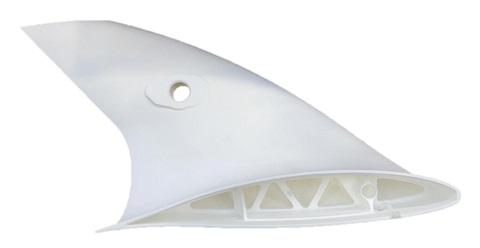
GKN Aerospace and Materialise have signed a letter of intent to advance additive manufacturing in aviation industry.
The collaboration ranges from prototyping to the production of functional and flight-critical parts, aligning with the industry’s emerging sustainability trends and opportunities. In particular, the partnership will focus on electric vertical takeoff and landing (eVTOL) aircraft.
GKN Aerospace and Materialise’s collaboration has already enabled significant AM milestones, including the successful delivery and certification of multiple AM parts that are flying today.
“This powerful alliance aims to leverage our combined expertise and the exceptional benefits of 3D printing to push the boundaries of innovation in the aeronautics industry”, said Jurgen Laudus, Vice President of Materialise Manufacturing.
Russ Brigham, programme director GKN Aerospace, emphasized, “Materialise is a valued AM supplier for GKN Aerospace and partnering with them on this ground-breaking technology has been a success for both companies. AM is out there and flying on aircraft around the world today and will be critical to achieve a more sustainable future of flight ahead.”
They believe that the potential of AM to revolutionize the aviation industry is significant, with the creation of lighter and stronger parts that were previously unachievable with conventional manufacturing technologies, while offering time and cost reductions during the manufacturing process.