



















EU reaches agreement on stricter rules for waste shipments

On 16 November, European Parliament and Council reached a provisional agreement on revising procedures and control measures for waste shipments, in order to protect the environment and human health more effectively.
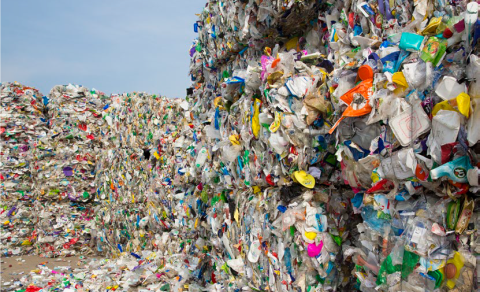
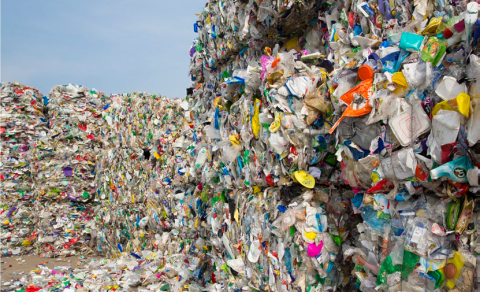
Procedures and control measures on waste shipments are revised in the EU.
Stricter rules on waste exporting outside the EU
EU exports of certain non-hazardous wastes and mixtures of non-hazardous wastes for recovery will be allowed only to non-OECD countries that consent and fulfil the criteria to treat such waste in an environmentally sound manner, and by complying with international labor and workers’ rights conventions.
Parliament will also ensure that plastic waste can no longer be exported to non-OECD countries within two and a half years after the entry into force of regulation.
Plastic waste exports to OECD countries will be subjected to stricter conditions, including an obligation to apply the prior written notification and consent procedure, and closer compliance monitoring.
The Commission will draw up a list of recipient countries, to be updated at least every two years.
Centralized information exchange on waste shipments within EU
All shipments of waste destined for disposal in countries within the EU are generally prohibited and allowed only in exceptional cases. Those for recovery operations will have to meet strict requirements on prior written notification, consent and information.
The new law also foresees that after two years with its entry into force, the exchange of information and data on waste shipments within the EU will be digitalized, through a central electronic hub, to improve reporting and transparency.
New enforcement group for detecting illegal shipments
The deal endorses the establishment of an enforcement group to improve cooperation among EU counties to prevent and detect illegal shipments. The commission will be able to carry out inspections, in cooperation with national authorities, where there is sufficient suspicion that there are illegal waste shipments occurring.
For the next step of the agreement, Parliament and Council need to formally approve the agreement before it can come into force.