











DOMO and Mitsubishi Chemical collaborate on first sustainable PA/TPE combination

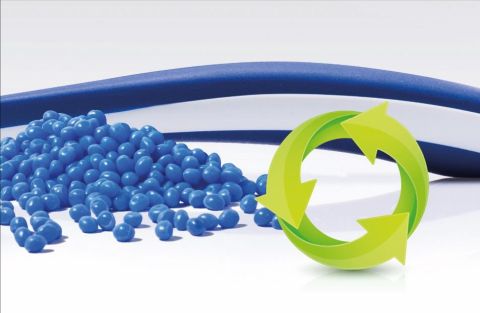
DOMO Chemicals and Mitsubishi Chemical Group (MCG) collaborated on developing a new combined material with polyamide (PA) and Thermoplastic Elastomer (TPE), for outstanding adhesion and haptics, as well as increased sustainability through the use of recycled material feedstocks.
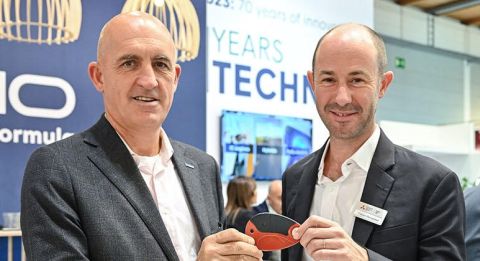
DOMO and MCG collaborated on a new combined material with PA and TPE.
First sustainable combination with unlimited colors
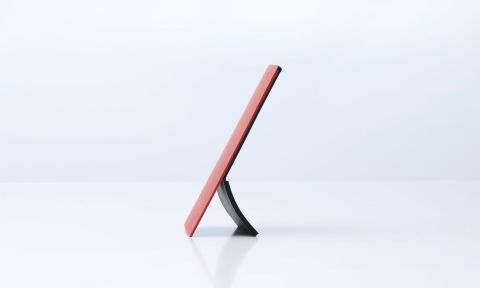
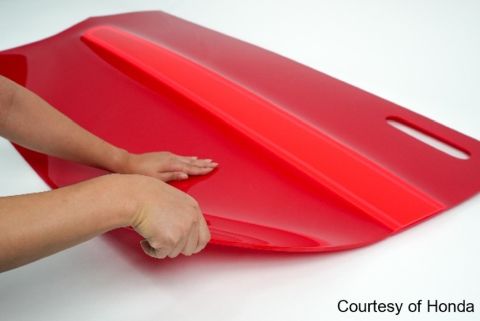
Developed specifically for MCG, TECHNYL® 4EARTH® C1E 249 SIL1 V30 RD 3202 is a 30% recycled PA in the color red RAL 3202.
MCG’s TEFABLOC™ TG0174465A is a TPE-S compound with 30% recycled content and capable of bonding to several engineering plastics, including PA6, PA66 and PA6.10. It can be directly over-molded on PA6 and PA66 without additional adhesive, allowing it to match with DOMO’s TECHNYL® 4EARTH®.
Combination of PA over-molded with TPE results in a low-density solution. It features high chemical resistance and outstanding mechanical properties from polyamide while offering soft touch, good grip and sound dampening of TPE.
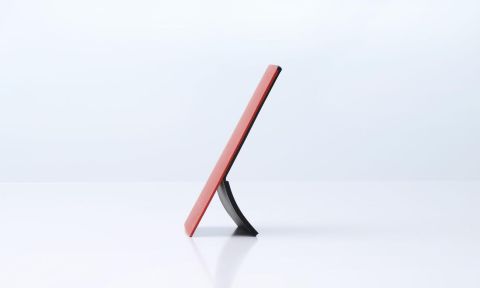
The new material offers mechanical properties of both PA and TPE with a range of colors.
Both solutions provide outstanding surface quality that fits for consumer goods applications. Depending on design, TPE can also ensure sealing against moisture, dust and air.
Florence Schutz, Manager Application Center C&E Market from DOMO, pointed out that this is the first sustainable combination that available with limitless range of colors.
“Customized color is an important part of product design features because it enhances brand recognition with the end consumer,” explained Fabien Resweber, Sales and Marketing manager, Mitsubishi Chemical Group / Performance Polymers EMEA.
In addition, the adhesion strength of the recycled and reinforced PA6 with 30% glass fiber has been optimized to meet the market demands and is comparable to virgin-based solutions.
2K molding enhancing productivity and performance
If functional requirements are not met by one specific thermoplastic material, two or more can be combined to fulfil the need.
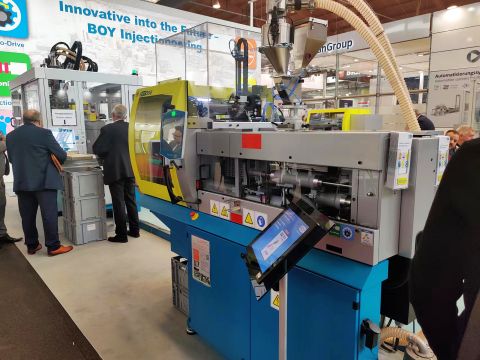
This two component (2K) injection molding technique, also referred to as two-shot molding or over-molding, uses a machine with two independent injection units. With higher productivity and versatility, 2K injection molding is gradually gaining relevance and substituting older methods.
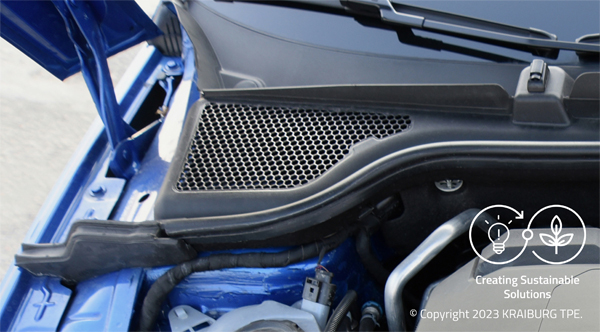
Typical applications for this PA/TPE 2K molding solution include power tool or home appliance handles or bases. Other application fields include medical devices, small appliances, electrical and electronics, eyeglass frames and sports equipment.
“This solution meets the increasing demand for PA/TPE adhesion parts that provide both branding and functional properties in two-component applications and help our customers in meeting their sustainability challenges,” concluded Schutz.